Rain hits the stage. Snow packs the road. And just like that, every habit you formed out in the dry seems to count for nothing now. Rallying is a very different beast with its low-grip stages. The majority of drivers either overdrive, get scared the first time the car slides, or, more or less, end up buried in a snowbank somewhere offstage. However, if you ease up your inputs and tone down your setup, these stages can be quite enjoyable to drive.
Let’s break it all down.
Why Low-Grip Stages Feel So Different
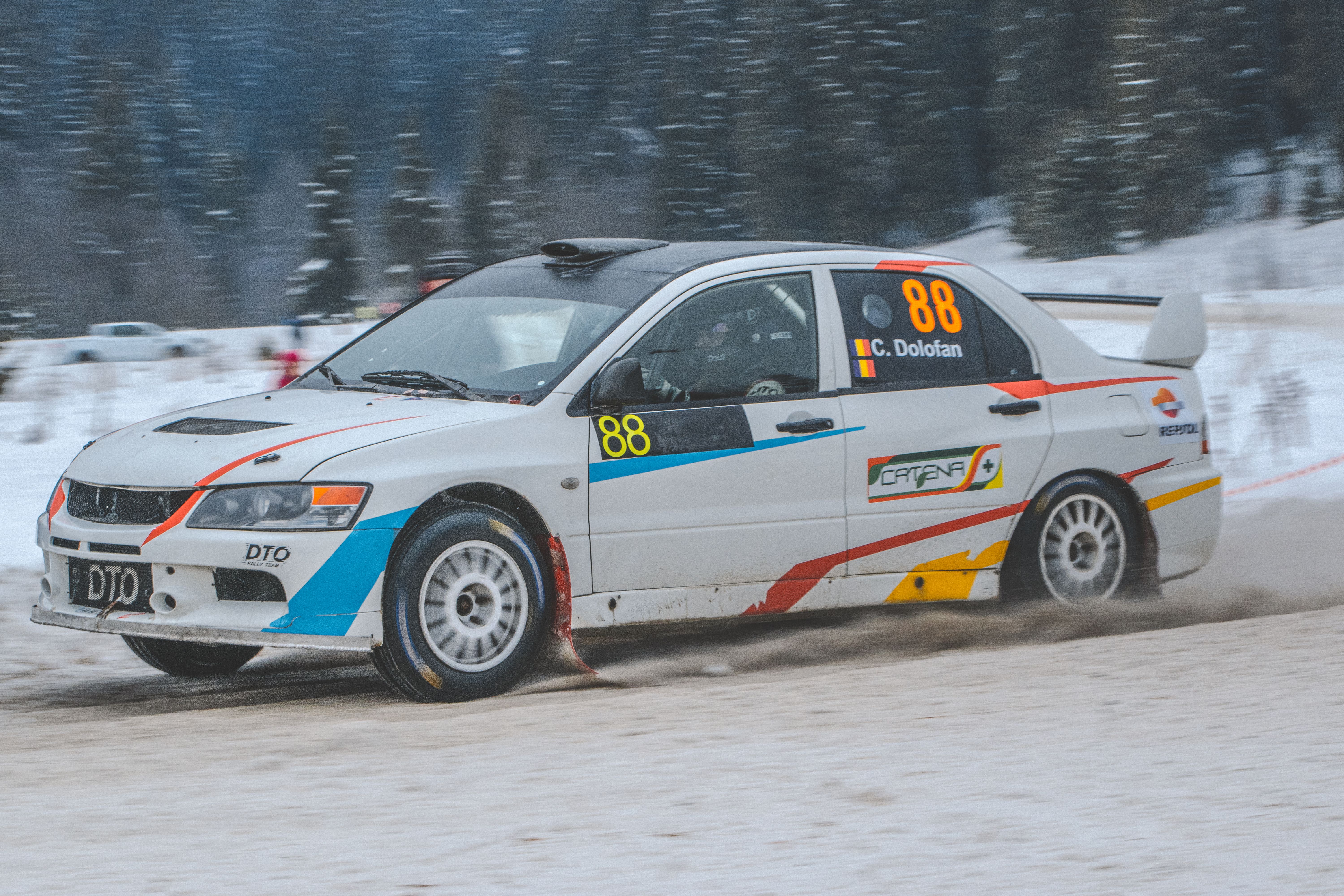
Dry tarmac gives your tires something solid to bite into. Wet roads and snow take most of that grip away fast. Your car responds more slowly to steering input. Braking distances stretch way out. Throttle on a corner exit can spin you sideways in seconds.
The biggest mistake is treating a wet or snowy stage like a dry one. Drivers carry too much speed into corners, the car doesn’t grip, they overcorrect, and it’s game over. Low-grip stages need a softer, more patient touch. No shortcut around that.
Setting Up Your Car for Wet and Snow Stages
Your car setup matters a lot on slippery stages. A dry-weather setup will fight you the whole way. Here’s what to change for a solid rally sim wet snow setup:
- Raise the ride height. This adds stability and stops the car from slamming into chunky snow or standing water on the road.
- Soften the suspension. Softer springs help the tires stay connected to the surface on rough ground. You get a better grip that way.
- Turn up traction control if your sim has it. It stops the rear wheels from spinning out on corner exits.
- Shift brake balance slightly toward the rear. This cuts the risk of front wheels locking up in slippery braking zones.
Most sims like Dirt Rally or EA Sports WRC include preset wet and snow setups. Use one as a base. Then tweak from there based on what you feel under you.
Driving Tips for Wet and Snowy Conditions
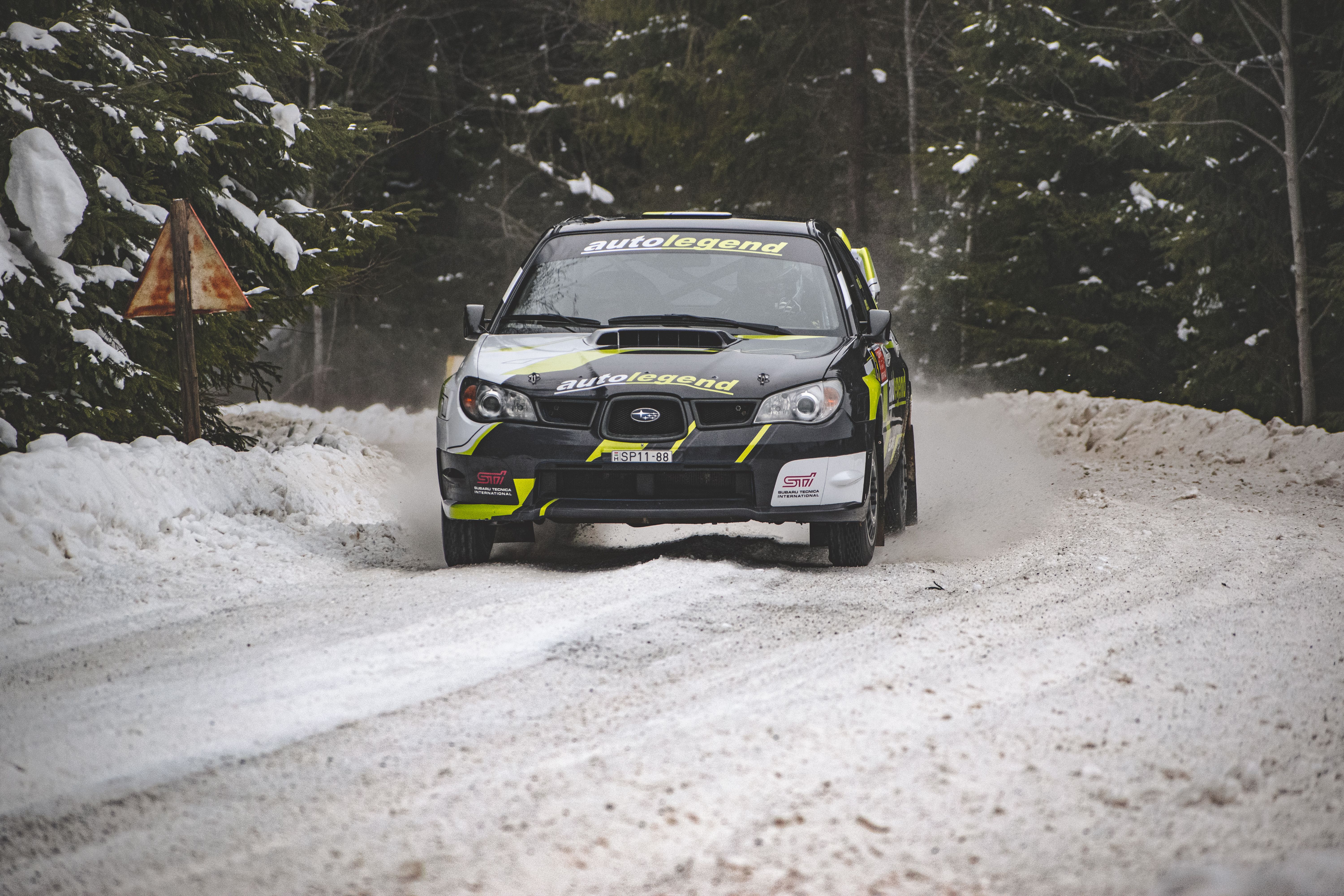
Setup only gets you halfway. The bigger change has to happen in how you actually drive.
Brake earlier than feels natural. In the wet, stopping distances can be double those on dry roads. Add extra distance to every braking point before a corner. It feels slow at first. It keeps the car under control.
Get off the usual racing line. In dry conditions, the rubberized line gives you the most grip. In wet or snowy stages, that same line turns slick and greasy from rubber and water. Move off it. Look for cleaner, fresher tarmac toward the edges of the road. That surface holds way more grip.
Keep every input smooth. No sudden steering jerks. No hard throttle stabs. No panic braking. Drive like you’re carrying a full cup of coffee on the dashboard. Every move should be calm and easy.
When the rear steps out, stay cool. Steer gently into the slide and ease off the throttle. Let the car settle on its own. Overcorrecting is what sends most drivers off the stage.
Practice Before Race Day
Don’t wait for a wet race to learn this. Just hop into a private session and drive. Run slow laps first. Discover where the grip is working and where it tails off. Create your own braking points from zero for slippery scenarios.
Putting more laps down on wet and snowy stages makes it all feel second nature. Those stages do not become a nightmare. They become the ones that you pick up in real time on drivers that never practiced them.