Racing games have gone from basic arcade fun to near-real replicas of the real thing. These digital setups now serve as practice grounds for individuals who dream of racing in real life. The space between virtual and track racing has become tiny. And this is all due to advancements in technology. Sim racing is both a hobby and a stepping stone into professional racing.
Sebastian Job and Jann Mardenborough are two prime examples of players who made that leap. Here’s how they did it and what it means for the sport.
Sebastian Job
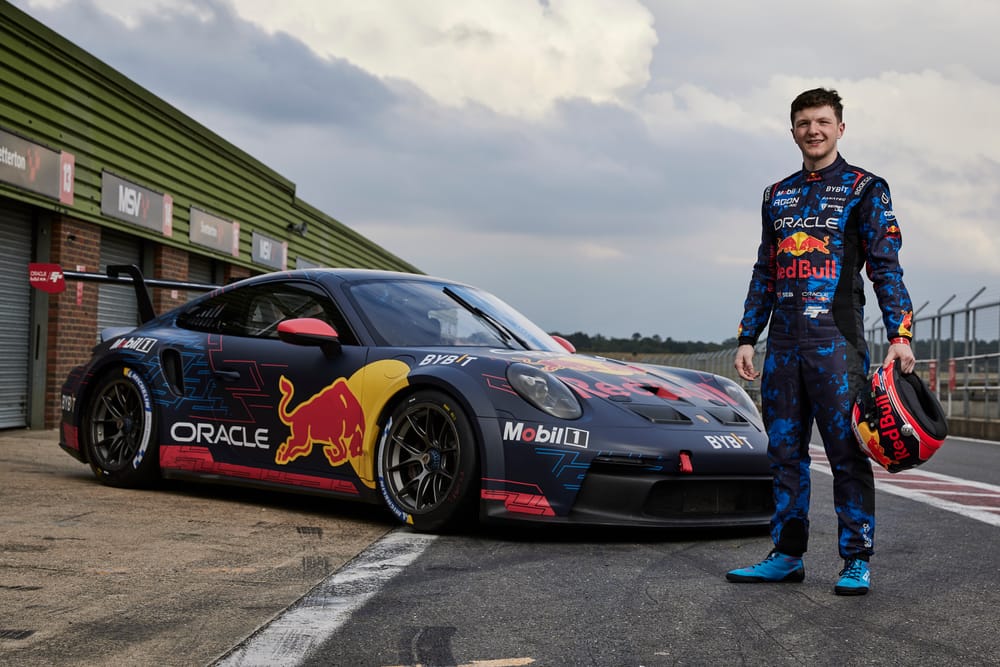
Sebastian Job first became a champion in virtual space even before touching a real race car. He was a two-time winner of the iRacing Porsche Esports Supercup. After winning, he proved his skill behind the screen.
Red Bull Racing saw his potential and gave him something that most can only dream of. And that was to drive Sebastian Vettel’s title-winning RB8 Formula 1 car.
Red Bull’s “Game to Glory” series followed his path from gamer to F1 test driver. Job trained in different race cars to build his ability. And that was even before he got into the F1 car. This slow and steady approach did help him handle the demands of real racing.
Red Bull’s Head of Esports said he did amazingly well during the test. His journey demonstrates that sim racing can prepare a gamer for the highest levels. Red Bull hopes this approach to training will attract more racers who didn’t start traditionally.
Jann Mardenborough
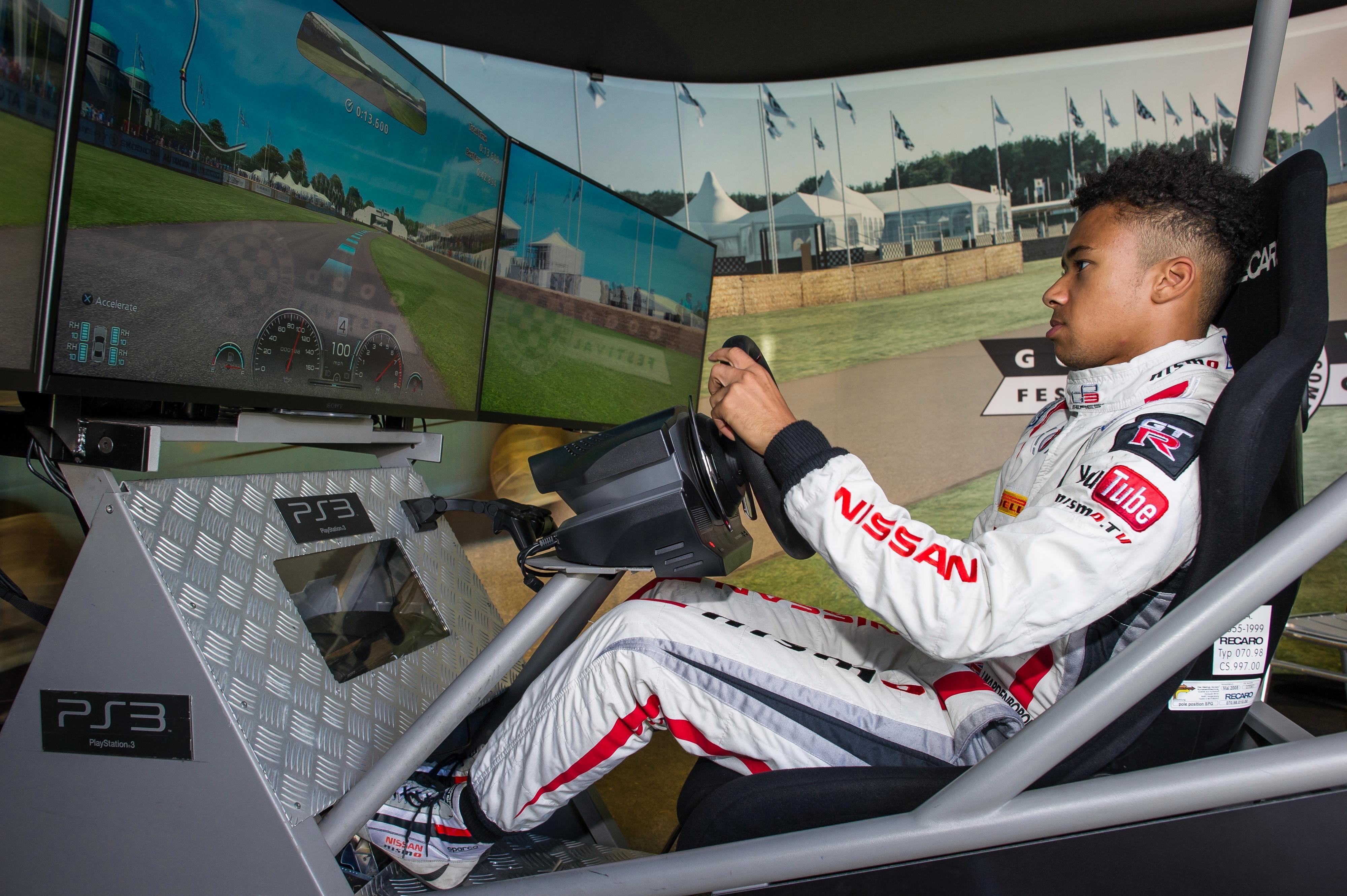
In 2011, a quiet 19-year-old from Wales named Jann Mardenborough beat 90,000 other players in GT Academy. His prize was a chance to become a real race car driver with Nissan. That one win changed everything for him. And seven months later, he was driving in the 24 Hours of Dubai with a pro team made entirely of former gamers.
His climb was very quick. Two years after his win, he participated in the legendary 24 Hours of Le Mans. And there he finished third in his class. That was a huge feat for someone so new to real racing.
He went on to race in Formula 3, Super GT in Japan, and even joined a Formula 1 team as a development driver. However, his journey was not entirely smooth. In 2015, he was involved in a tragic accident at Nürburgring, but he kept going and stayed in the sport.
More Success Stories
Brothers Naquib and Nabil Azlan from Malaysia are another success story. In just four years, they went from beginners in sim racing to serious real-world competitors. They say iRacing taught them the basics. They also claimed that it helped them stay consistent and prepared them for the real track.
Even pro drivers see the value of simulators. Rallycross driver Timmy Hansen started “Roar to Daytona” to demonstrate how sim racing can aid in driver training. He’s working with a pro esports engineer to prove how both drivers and engineers can sharpen skills through virtual racing.
Skills That Cross Over
Why do sim racers do so well in real races? Many skills move easily from the screen to the track:
- Quick reactions
- Knowing track layouts
- Finding racing lines
- Understanding car setup
- Planning race strategy
- Staying focused under pressure
Most sim racers are familiar with a track inside and out before driving it for real. They can run endless practice laps without paying for track time, fuel, or repairs.
The Future Looks Bright
Racing teams now treat simulators as key tools for spotting fresh talent. Real racing costs are climbing, but sim racing offers a far cheaper starting point. A new group, Racing Prodigy, is creating clear pathways for gamers to reach professional racing.
The gap between screen and track narrows as technology continues to improve. Teams are starting hybrid programs where drivers train in both simulators and real cars. This saves money and builds skills faster.
The future is bright, and we’ll see even more stories of gamers making it big on the asphalt.